
25 Aug 2026 · Plotfolio
Nigerian Land Scams: Safeguard Your Investment
Discover the most common land buying scams in Nigeria and learn practical, actionable steps to protect your hard-earned money and secure your property investment.
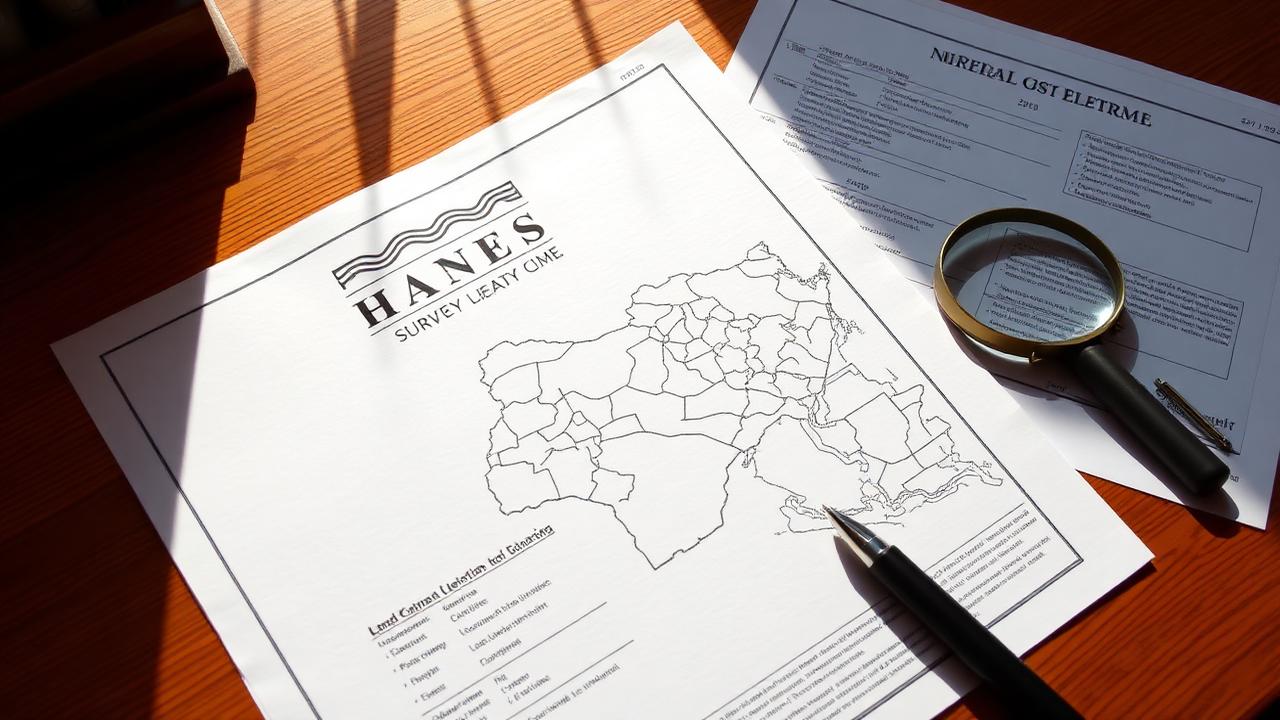
Understanding the Landscape of Land Scams in Nigeria
Investing in land in Nigeria offers immense potential for growth, especially in rapidly developing urban centers like Abuja, Lagos, and Port Harcourt. However, this promising landscape is unfortunately also a fertile ground for sophisticated scams designed to defraud unsuspecting buyers. For both seasoned and first-time investors, understanding these common pitfalls is the first crucial step towards a secure and profitable investment.
This article sheds light on prevalent land scams in Nigeria and provides actionable strategies to protect your financial interests. Remember, diligence and verification are your strongest allies.
The 'Omo-Onile' Menace
The 'Omo-Onile' phenomenon, often translated as 'children of the soil' or traditional land owners, is perhaps the most notorious land-related challenge in Nigeria. While some are legitimate community representatives, many operate as extortionists, claiming ownership of land already sold or demanding extra fees for 'foundation', 'roofing', or 'mobilisation' long after a purchase. The real issue arises when different factions of 'Omo-Oniles' claim the same piece of land, leading to disputes and multiple sales of a single plot.
How to Avoid:
- Community Engagement: Before purchasing, speak with neighbours, local community leaders, and even local government representatives to understand the land's history and true ownership.
- One-Time Payment: If dealing with legitimate traditional owners, ensure all customary payments are consolidated and made at once, clearly documented, and acknowledged by all relevant parties.
- Develop Quickly: Where possible, develop your land as quickly as you can after purchase to assert ownership and deter illegal encroachment.
Fake Documents and Forged Titles
One of the most insidious scams involves the use of expertly forged documents. Scammers can produce fake Certificates of Occupancy (C of O), Deeds of Assignment, Survey Plans, and even court judgments. A buyer might pay millions of Naira only to discover the documents are worthless and the land belongs to someone else or the government.
How to Avoid:
- Verify Everything: This cannot be stressed enough. Always verify all land documents with the issuing authorities. For C of O, this is the Land Registry in the relevant state Ministry of Lands. For survey plans, verify with the Surveyor General's office.
- Professional Legal Counsel: Engage a reputable property lawyer who specialises in real estate. They have the expertise and networks to conduct thorough due diligence, including document verification and title searches.
- Physical Inspection: Beyond viewing the land, ensure the land's physical attributes match what is described in the survey plan and other documents. Look out for existing structures or demarcation signs that might indicate prior ownership.
Selling Government Acquired or Committed Land
Some unscrupulous individuals knowingly sell land that has either been acquired by the government for public use (e.g., roads, schools, infrastructure) or is committed to a specific government project. Buyers only discover this when government agencies move in to claim the land, often resulting in demolition without compensation.
How to Avoid:
- Land Use Information: Consult the state's Ministry of Lands and Urban Development. They can provide information on land zoning, government acquisition plans, and commitment areas.
- Area Master Plans: Review the local government's master plan or development blueprint for the area. This can reveal future government projects.
- Plotfolio's Due Diligence: Services like Plotfolio actively track and monitor land status, providing investors with verified information and reducing the risk of purchasing committed lands.
Middlemen and Agents Without Mandate
While some agents are legitimate and professional, others are simply fraudsters. They might claim to represent a landowner, collect money, and then disappear, or sell a land they have no legal mandate to sell. In some cases, they might even collude with fake landowners.
How to Avoid:
- Verify Agent's Credibility: Ask for proof of registration with relevant professional bodies (e.g., Estate Surveyors and Valuers Registration Board of Nigeria, NIESV). Look for an established office.
- Direct Contact with Owner: Always insist on meeting the true owner of the land and verifying their identity. If an agent is reluctant, it's a major red flag.
- Landowner's Mandate: Request to see a written, signed mandate from the landowner authorising the agent to sell the property. This mandate should clearly state the agent's responsibilities and commission structure.
Disputed Ownership and Multiple Sales
This scam involves selling the same plot of land to multiple unsuspecting buyers. The 'seller' might exploit loopholes, use fake documents, or rely on the buyer's lack of due diligence. When multiple buyers surface, it often leads to protracted legal battles, significant financial loss, and emotional distress.
How to Avoid:
- Thorough Title Search: A comprehensive title search at the Land Registry will reveal if the land has any existing encumbrances, cautions, or previous sales. This is a non-negotiable step.
- Physical Due Diligence: Beyond legal checks, physically visit the land multiple times, and at different times of day. Speak with those living nearby to inquire about the true ownership and any ongoing disputes.
- Encumbrance Check: Your lawyer should conduct an encumbrance search to confirm that the land is free from any charges, mortgages, or ongoing legal tussles.
Unlicensed Developers and Bogus Estates
In the rush to acquire property in new development areas, many fall prey to unlicensed developers advertising non-existent or unapproved estates. They collect deposits or full payments for plots that are either tied up in disputes, lacked proper government approvals, or are simply phantoms. Buyers are left with no land and no way to recover their funds.
How to Avoid:
- Verify Developer's Registration: Check if the developer is registered with the relevant state housing authority and has a proven track record.
- Estate Approval Documents: Demand to see all necessary government approvals for the estate, including layout plans, environmental impact assessments, and C of O for the entire estate parcel.
- Visit the Site: Don't just rely on glossy brochures. Visit the proposed estate, observe ongoing work (if any), and speak with existing residents or buyers, if possible.
Your Path to Secure Land Investment
Navigating Nigeria's land market requires vigilance, professional guidance, and a clear understanding of potential risks. While the opportunities are immense, so too are the avenues for fraud. By taking proactive steps in verifying documents, engaging reputable professionals, and understanding local dynamics, you can significantly mitigate these risks and make truly secure investments.
At Plotfolio, we understand these challenges intimately. Our service is built to provide transparency and security, managing your land banking portfolio with rigorous due diligence and live tracking. We help you cut through the complexities and focus on your returns, not the risks.
---
Ready to secure your land investments with expert guidance? Connect with Plotfolio on WhatsApp today to discuss how we can help you navigate the Nigerian land market safely.