
17 Sep 2026 · Plotfolio
Nigerian Land Banking Fundamentals: Your Essential Guide
Learn the core principles of land banking in Nigeria, focusing on Abuja's unique market dynamics. Discover how to invest safely and strategically.
Advertisement
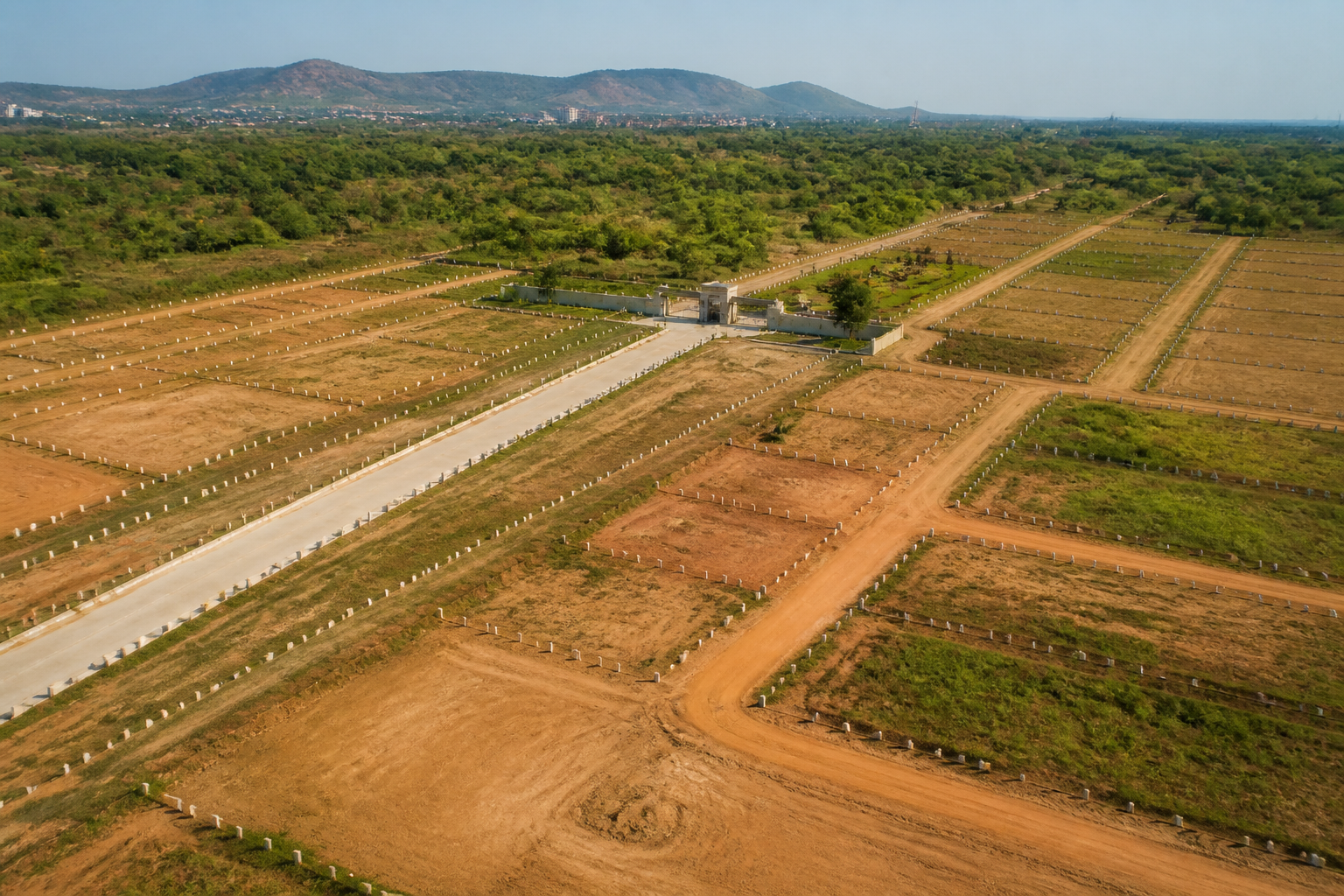
Land banking, the practice of acquiring undeveloped land with the intention of holding it for future sale or development, is a time-tested strategy for wealth creation globally. In Nigeria, particularly within the dynamic landscape of Abuja and the Federal Capital Territory (FCT), it presents a unique opportunity, but also requires a deep understanding of local nuances.
This guide will walk you through the fundamentals of land banking in Nigeria, grounding the advice in the realities of the Abuja market, from understanding its growth corridors to navigating the crucial aspects of land titles and safe acquisition.
Why Land Banking in Nigeria?
Nigeria, with its burgeoning population and rapid urbanization, offers compelling reasons for land banking. Cities like Abuja are experiencing significant population growth, driving demand for housing and commercial spaces. This demographic pressure, coupled with infrastructure development, typically leads to an appreciation in land values over time.
However, it's not simply about buying any piece of land. Strategic land banking in Nigeria involves careful consideration of location, timing, and legal due diligence. It's about identifying areas poised for future growth before they become fully developed and their prices soar.
Understanding the Abuja/FCT Land Market
Abuja, as Nigeria's capital, is a prime example of a market with high growth potential. The FCT Administration (FCDA) and Abuja Geographic Information Systems (AGIS) play central roles in land administration, making it a relatively more structured market than some other parts of the country.
Growth Corridors and Satellite Towns
While prime districts like Maitama and Asokoro are already highly developed and expensive, the real opportunities for land banking often lie in the rapidly expanding corridors and satellite towns surrounding the city centre. These areas benefit from the ripple effect of Abuja's growth, coupled with planned or ongoing infrastructure projects.
Areas like Idu, Lugbe, Kuje, Gwagwalada, and Karshi, for example, are experiencing significant development, driven by factors such as:
- Infrastructure Expansion: New road networks, government projects, and private developments extend the reach of the city.
- Affordability: Land is often more affordable than in the central districts, making it accessible to a wider range of investors.
- Demographic Shift: As Abuja grows, people seek more affordable housing options, pushing demand into these peripheries.
As Prince Orji noted in his piece, "Abuja's Prime Districts Are Priced In — The Real Opportunity Is Where Nobody Is Looking Yet," the highest returns often come from identifying and investing in these emerging corridors before their full potential is widely recognized.
The Role of Infrastructure
Infrastructure development is a critical driver of land value. Proximity to major roads, power lines, water supply, and social amenities like schools and hospitals significantly enhances a plot's attractiveness and potential for appreciation. Before investing, research planned government infrastructure projects or ongoing private developments in the area.
The Core Pillars of Safe Land Banking in Nigeria
Navigating the Nigerian land market requires diligence. Here are the fundamental pillars for a secure and successful land banking journey:
1. Title Verification: Your Absolute Priority
This cannot be stressed enough. The integrity of your land title is the bedrock of your investment. In Nigeria, various types of land titles exist, with the Certificate of Occupancy (C of O) being the most secure, especially within the FCT. Other common titles include Right of Occupancy (R of O), Allocation Papers, or Governor's Consent.
Always, without exception, conduct thorough due diligence and title verification through the appropriate government agencies. In Abuja, this means AGIS. They can confirm:
- Ownership: Who is the rightful owner?
- Authenticity: Is the title genuine and registered?
- Encumbrances: Are there any existing liens, disputes, or government acquisitions on the land?
- Purpose: Is the land designated for residential, commercial, or agricultural use?
Working with experienced legal professionals and reputable real estate service providers is crucial for navigating this complex process. They can perform searches, obtain necessary documents, and advise on potential red flags.
2. Understanding Land Allocation and Documents
In the FCT, land is primarily allocated by the FCDA. For land banking, you might encounter plots with:
- Original Allocation Papers: These are foundational documents showing the initial grant of land from the government. They precede the C of O.
- Deed of Assignment/Conveyance: For land that has been previously transferred between private individuals or entities.
Ensure that the seller has all the necessary original documents and that these can be traced back to the initial government allocation. Any missing or incomplete documents should be a major warning sign.
3. Location, Location, Location (and Future Zoning)
Beyond current infrastructure, research future development plans for the area. The FCDA Master Plan dictates the zoning and intended use of different areas within the FCT. Investing in land that aligns with future residential or commercial development plans significantly increases its long-term value.
- Accessibility: Is the land easily accessible? What are the planned road networks?
- Proximity to Amenities: Are there plans for schools, markets, hospitals, or recreational facilities nearby?
- Development Activity: Observe ongoing construction or sales activities by reputable developers in the vicinity. This indicates growing interest and validates the area's potential.
4. Engage Reputable Estate Developers and Agents
While direct purchases are possible, many land banking opportunities in emerging areas come through estate developers. These developers acquire large tracts of land, often obtain necessary government approvals, and then subdivide and sell plots.
When dealing with developers or agents:
- Verify their track record: Look for established companies with a history of successful projects and satisfied clients.
- Inspect the site: Physically visit the land. Don't rely solely on pictures or virtual tours.
- Review their documentation: Ensure they have the necessary permits, layout approvals, and title documents for the entire estate before you commit to purchasing a plot.
5. Financial Prudence and Payment Structures
Land purchases often involve significant capital. Understand the payment structure proposed by the seller or developer. Many offer instalment payment plans, which can ease the financial burden but require careful management to avoid default. Always get a clear payment schedule and receipts for every transaction.
Be wary of deals that seem too good to be true, as they often are. The goal is long-term value appreciation, not a quick, speculative gain based on unrealistic promises.
The Long-Term View: Patience is Key
Land banking is not a get-rich-quick scheme. It is a long-term investment strategy that requires patience. Values appreciate over time as infrastructure develops, populations grow, and demand for space increases. Expect to hold land for several years to realize significant returns.
As Prince Orji highlighted in his insights on Nigeria's real estate market, reliable development and investment decisions are unlocked by better data, transparency, and infrastructure-led planning. This perspective underscores the importance of a structured, informed approach to land banking in Nigeria.
Conclusion
Land banking in Nigeria, especially in the FCT, offers a powerful avenue for wealth creation. By understanding the local market dynamics, diligently verifying titles, strategic selection of growth corridors, and working with trusted partners, you can build a robust land portfolio. Remember, safety through due diligence is paramount.
Ready to explore land banking opportunities in Abuja with confidence? Contact Plotfolio on WhatsApp to discuss how we can help manage your land banking portfolio.
Advertisement